
HOME > NEWS
What Are The Benefits Of Using Selfbonding Magnet Wire
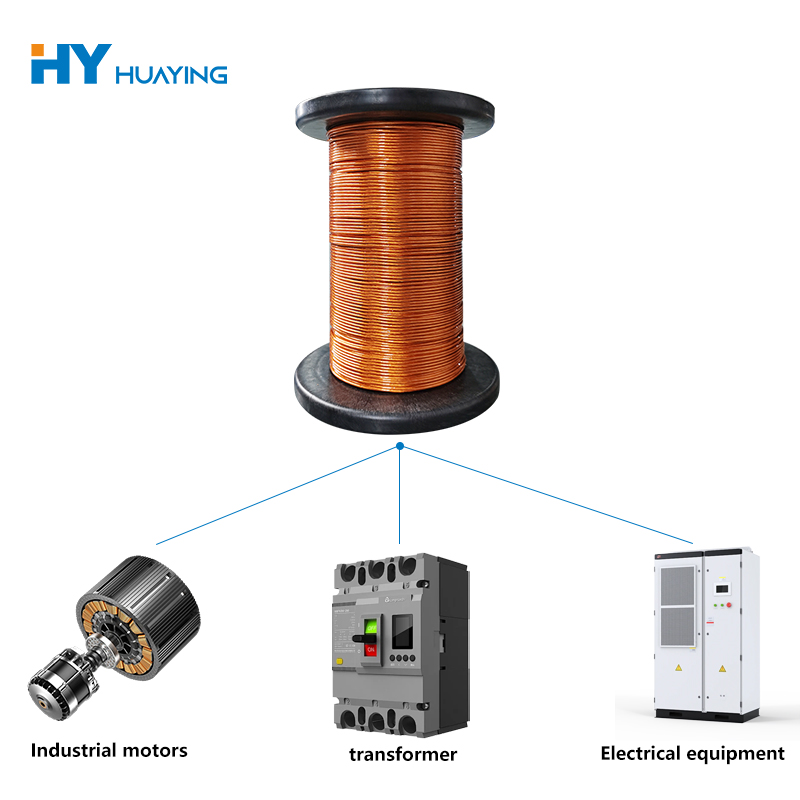
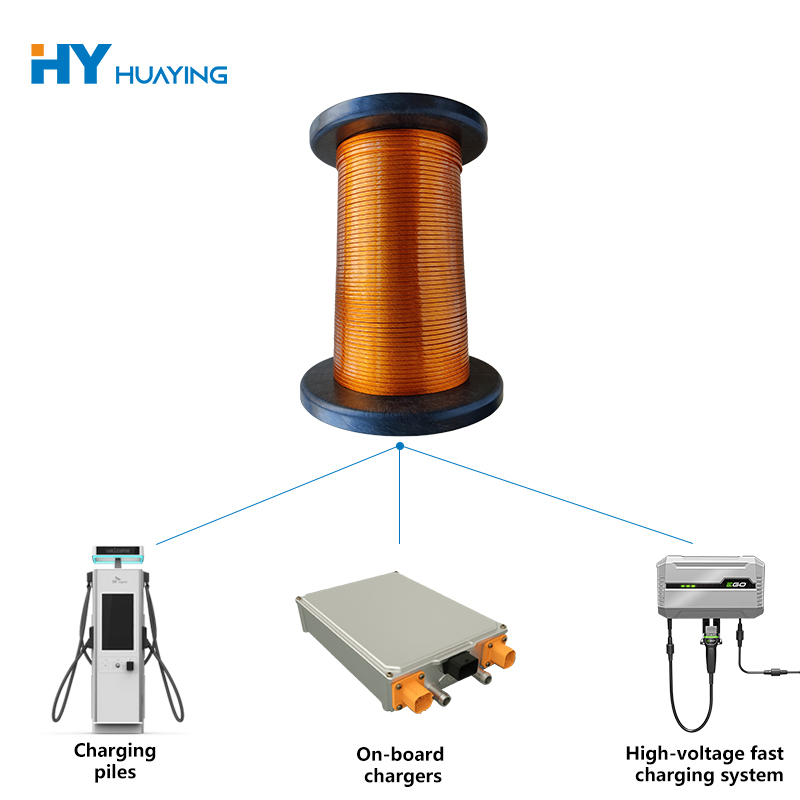
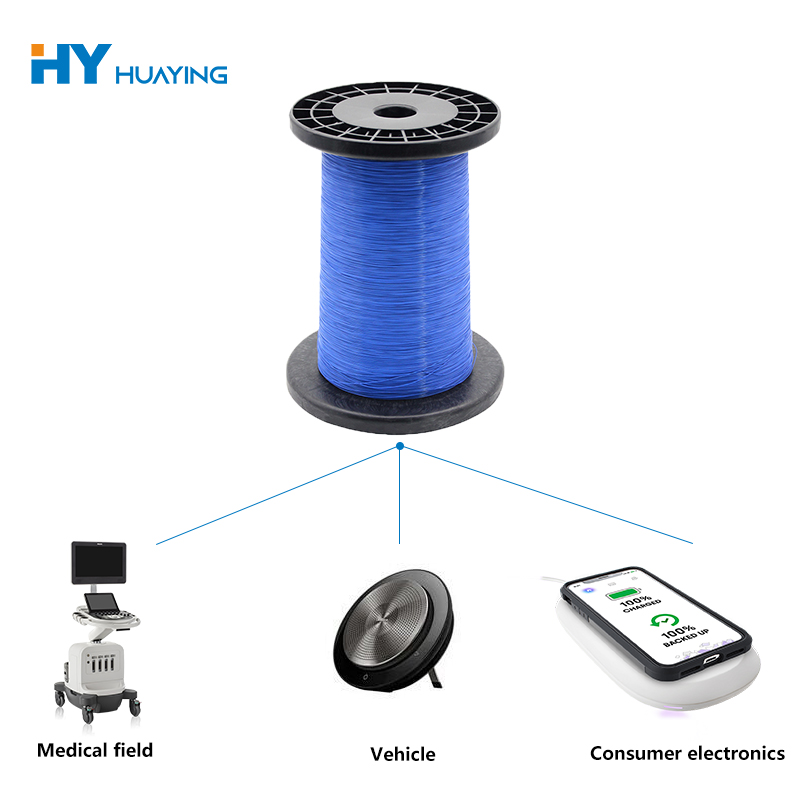
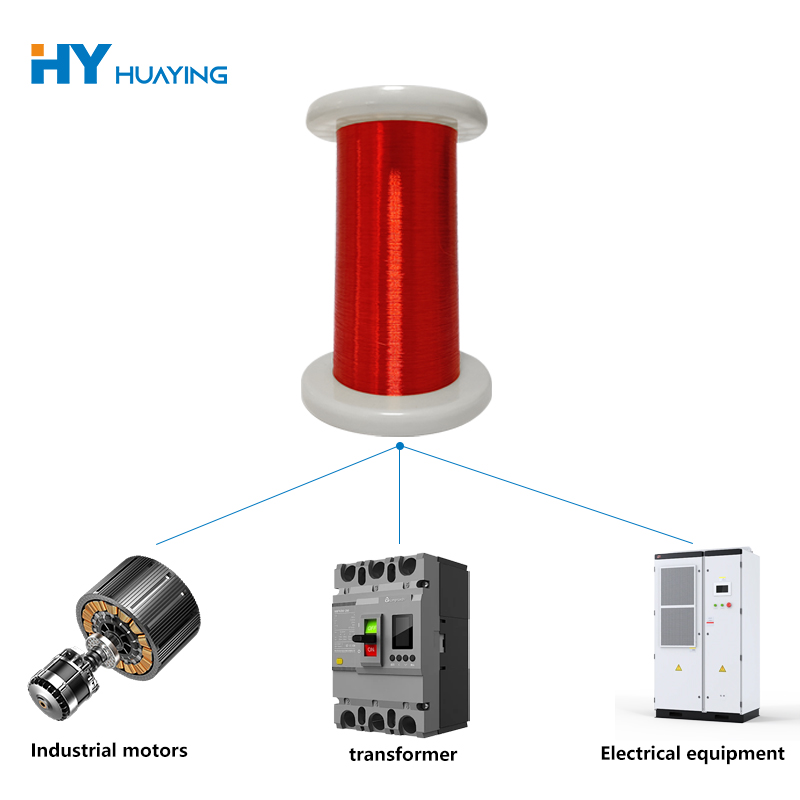
If you've ever been deep in the design of a motor, transformer, or coil, you've likely faced the nagging challenge of holding delicate windings perfectly in place. I’ve been in this industry for decades, and the evolution of one particular component has consistently impressed me: Selfbonding Magnet Wire. Today, I want to share a first-hand perspective on why this wire isn't just an alternative but often the superior choice for modern, efficient designs, especially the solutions pioneered by Huaying.
So, what exactly sets this type of Magnet Wire apart from its traditional counterparts?
How Does Selfbonding Magnet Wire Actually Work
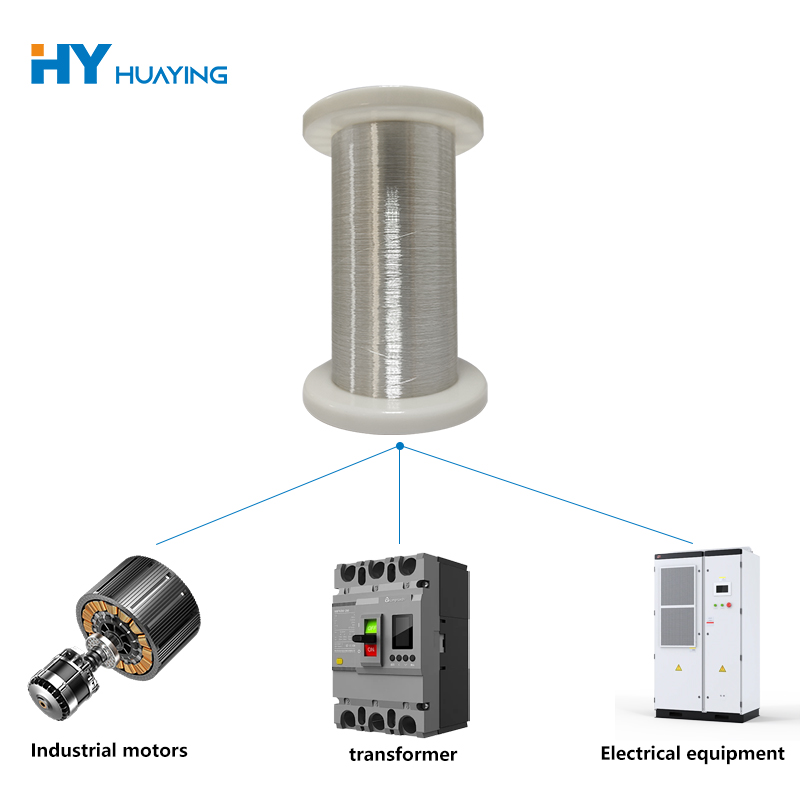
The magic isn't in the conductive copper or aluminum core itself, but in a special coating applied on top of the standard insulation. This outer layer is a thermoplastic or thermosetting polymer that remains inert until you apply a specific trigger—typically heat. When heated to its designated activation temperature, this coating softens and becomes tacky. As it cools, it creates a powerful, permanent bond between adjacent wire turns. This process essentially fuses the windings into a solid, unified structure without any additional adhesives or tapes. It’s a brilliantly simple concept that solves numerous assembly and performance headaches we’ve all encountered.
What Key Parameters Should You Look For In Selfbonding Magnet Wire
Not all selfbonding wires are created equal. To ensure your application's success, you need to scrutinize a few critical parameters. Here’s a quick list of the non-negotiables:
-
Bond Strength: This is the measure of the force required to separate the bonded wires. It's crucial for resisting mechanical forces like vibration and shock.
-
Activation Temperature: The specific temperature range at which the bonding layer becomes active and effective.
-
Thermal Class: The maximum temperature at which the wire can continuously operate without degrading its electrical or bonding properties.
-
Chemical Resistance: The ability of the bonded structure to withstand solvents, oils, and other chemicals it might encounter.
-
Springback: A lower springback after bonding is desirable as it indicates the windings have set into a stable, tight formation.
To make it easier to compare, here is a breakdown of typical parameters you'd find in a high-quality product like those from Huaying:
| Parameter | Description & Importance | Typical Value / Example |
|---|---|---|
| Bond Strength | Measured in Newton (N), it indicates the mechanical integrity of the winding. | 1.5 N to 4.0 N (depending on wire gauge) |
| Activation Temperature | The thermal "window" for creating a reliable bond without damaging the wire. | 150°C - 190°C |
| Thermal Class | Defines the long-term service temperature capability of the Magnet Wire. | Class 130 (B) to Class 200 (N) |
| Solvent Resistance | Often tested by exposure to Isopropyl Alcohol (IPA) with no softening. | Excellent resistance to common solvents |
| Dielectric Strength | The electrical insulation integrity of the wire film, even after bonding. | > 6000 VAC |
Why Would You Choose Selfbonding Wire Over Traditional Options
From my experience, the decision often boils down to three core benefits that directly address engineer and manufacturer pain points.
First, it delivers Unmatched Mechanical Stability. Once bonded, the windings are locked together. This eliminates movement that can lead to abrasion, fretting, and eventual short circuits. In applications like high-speed motors or devices exposed to constant vibration, this is not just a benefit—it's a necessity for longevity.
Second, it enables Superior Heat Transfer. A tightly bonded winding pack eliminates tiny air pockets between wires. Since air is a poor conductor of heat, removing it creates a more efficient thermal path. This allows heat to be dissipated more effectively from the center of the coil, leading to a cooler running and more reliable device. This is a critical advantage for pushing the performance limits of any electromagnetic component.
Finally, the Streamlined Production Process is a massive win. It often removes process steps like taping, tying, or impregnating with varnish in some applications. This speeds up assembly, reduces labor costs, and minimizes potential points of failure in your manufacturing line. I’ve seen Huaying's selfbonding Magnet Wire help manufacturers significantly increase their production throughput while simultaneously improving the consistency of their final product.
Is Selfbonding Magnet Wire The Right Fit For Your Application
This is the question I encourage every designer to ask early in their process. If your project involves complex coil shapes, operates in high-vibration environments, or demands maximum thermal efficiency, then the answer is a resounding yes. From precision automotive actuators and robust drone motors to delicate medical device sensors, the application of this advanced Magnet Wire is vast. The team at Huaying has consistently demonstrated that investing in the right wire from the start prevents costly redesigns and field failures down the line.
We hope this deep dive has illuminated the significant advantages of selfbonding magnet wire. If you're ready to explore how these benefits can translate into a more robust, efficient, and reliable product for your specific needs, we are here to help. Our experts are ready to discuss your parameters and provide samples. Don't hesitate to contact us today with your requirements—let's start a conversation about your next innovation.
Related News
- How Can Triple-Layer Enameled Wire Improve Electrical Insulation and Winding Efficiency
- Overcoming Insulation Degradation: Why Multi-Layer Mylar Wire is Replacing Standard Insulated Wire in High-Reliability Electronics
- How Triple-Layer Enameled Wire Optimization Prevents Transformer Insulation Failures?
- How Does Film-Folded Wire Revolutionize Electrical Insulation?
- How Does a Wire Coil Work?
- How Does Teflon Insulated Wire Enhance Performance in Extreme Environments?
Leave me a message