
HOME > NEWS
How to Choose Magnet Wire?
Abstract
Magnet wire is a critical component in motors, transformers, inductors, and a wide range of electromagnetic devices. However, many buyers face recurring challenges such as insulation failure, inconsistent conductivity, overheating, and difficulty matching wire specifications to real-world applications. This article provides a structured and practical guide to magnet wire selection, manufacturing considerations, insulation systems, and application-specific requirements. By understanding these factors, engineers, purchasers, and decision-makers can reduce performance risks, extend product lifespan, and improve overall system reliability.

Outline
- Understanding What Magnet Wire Is
- Common Customer Pain Points in Magnet Wire Selection
- Key Technical Parameters That Matter
- Insulation Types and Performance Differences
- Application-Based Selection Guide
- Quality Control and Manufacturing Considerations
- Comparison Table of Typical Magnet Wire Options
- Frequently Asked Questions
- Conclusion and Business Cooperation
Table of Contents
- What Is Magnet Wire?
- Why Magnet Wire Selection Often Fails
- Critical Parameters to Evaluate
- Insulation Systems Explained
- Choosing Magnet Wire by Application
- Manufacturing and Quality Assurance
- Product Comparison Table
- FAQ
What Is Magnet Wire?
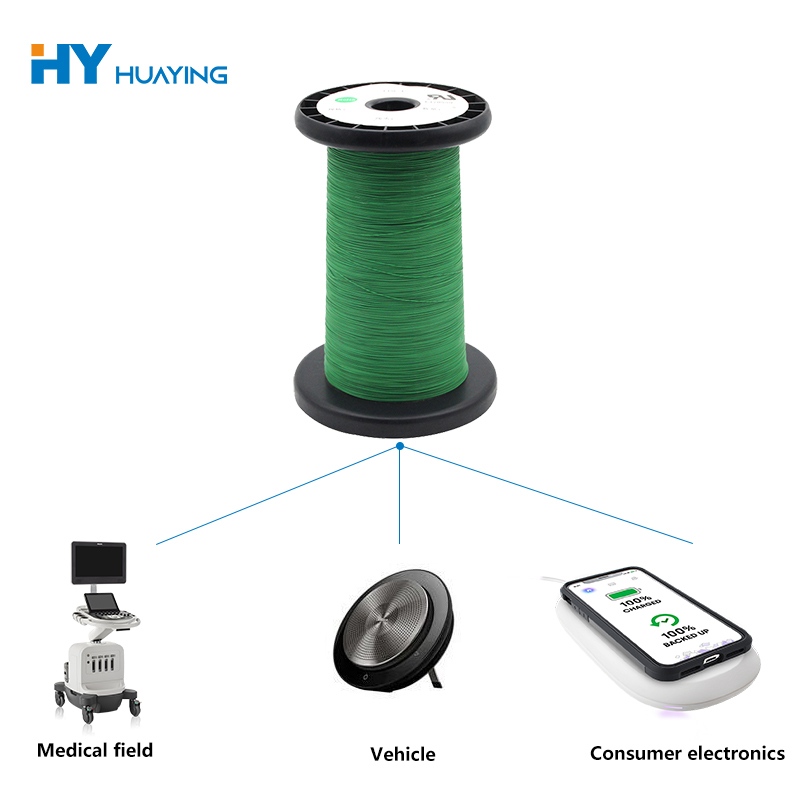
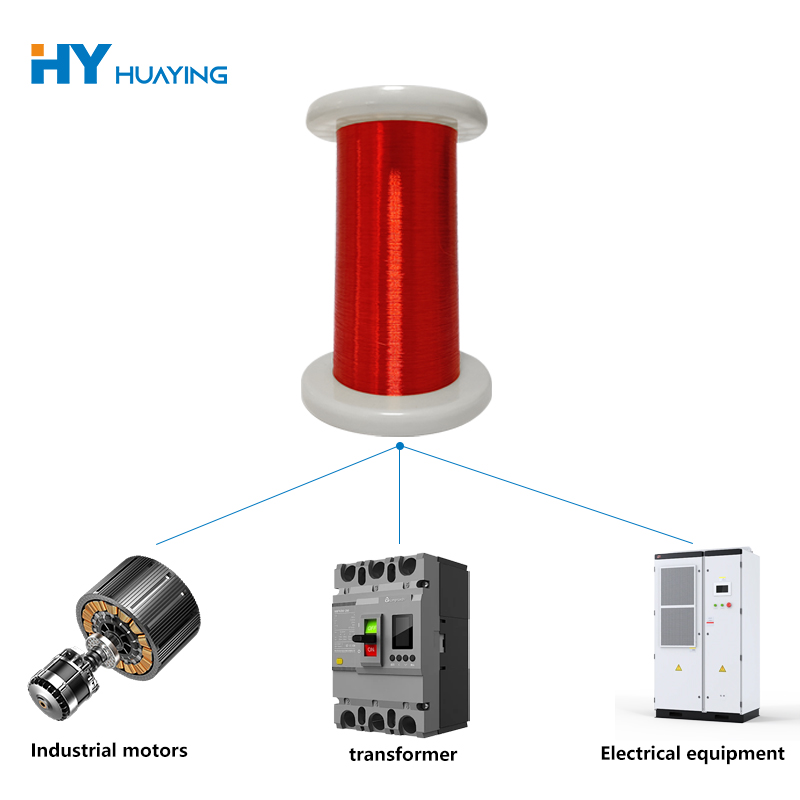
Magnet wire, also known as enameled wire, is an electrical conductor typically made of copper or aluminum and coated with a thin layer of insulating enamel. Unlike ordinary insulated wire, magnet wire is designed to maximize conductive efficiency while maintaining electrical isolation between turns in tightly wound coils.
It is widely used in electric motors, transformers, generators, relays, solenoids, and inductors. The insulation layer plays a decisive role in thermal resistance, chemical stability, and mechanical durability, directly affecting the operational lifespan of the final product.
Why Magnet Wire Selection Often Fails
Many operational failures traced back to magnet wire are not caused by the conductor itself, but by incorrect specification or misunderstanding of application requirements. Common pain points include:
- Insulation cracking due to insufficient thermal class
- Overheating caused by undersized conductor diameter
- Reduced efficiency from poor surface smoothness
- Incompatibility with impregnation varnishes or resins
- Premature breakdown under high-frequency conditions
These issues often arise when purchasing decisions are based solely on price rather than performance alignment.
Critical Parameters to Evaluate
Selecting magnet wire requires a systematic evaluation of several technical parameters:
- Conductor Material: Copper offers higher conductivity, while aluminum provides weight and cost advantages.
- Wire Gauge: Determines current-carrying capacity and heat generation.
- Thermal Class: Indicates maximum operating temperature, commonly ranging from Class 130 to Class 220.
- Insulation Thickness: Balances electrical safety with winding efficiency.
- Breakdown Voltage: Measures insulation reliability under electrical stress.
Insulation Systems Explained
The enamel coating is the defining feature of magnet wire. Different insulation systems are designed to meet specific thermal and mechanical demands:
- Polyurethane: Excellent solderability and flexibility, suitable for electronics and small motors.
- Polyester: Balanced mechanical strength and heat resistance.
- Polyesterimide: Enhanced thermal endurance for industrial motors.
- Polyamide-imide: Superior resistance to heat, chemicals, and abrasion.
Choosing the wrong insulation can lead to insulation failure even if the conductor size is correct.
Choosing Magnet Wire by Application
Application context should always drive magnet wire selection:
- Transformers: Require stable dielectric strength and compatibility with insulating oils or resins.
- Electric Motors: Demand high thermal endurance and mechanical robustness.
- High-Frequency Devices: Benefit from smooth surface finish and consistent insulation thickness.
- Automotive Components: Require resistance to vibration, temperature cycling, and chemicals.
Matching these requirements reduces downtime and maintenance costs.
Manufacturing and Quality Assurance
Reliable magnet wire performance depends heavily on manufacturing precision. Key quality indicators include:
- Uniform enamel coating without pinholes
- Stable conductor diameter tolerance
- Consistent adhesion between enamel and conductor
- Rigorous testing for elongation, heat shock, and dielectric strength
Advanced production lines and strict inspection processes are essential to ensure long-term reliability.
Typical Magnet Wire Comparison Table
| Parameter | Copper Magnet Wire | Aluminum Magnet Wire |
|---|---|---|
| Conductivity | High | Moderate |
| Weight | Heavier | Lighter |
| Cost Efficiency | Moderate | Higher |
| Typical Applications | High-performance motors | Weight-sensitive equipment |
Frequently Asked Questions
Q: How does thermal class affect magnet wire lifespan?
A higher thermal class allows the wire to operate safely at elevated temperatures, significantly reducing insulation degradation.
Q: Can magnet wire be customized for specific applications?
Yes, parameters such as insulation type, thickness, and conductor material can be tailored to application needs.
Q: Is thicker insulation always better?
Not necessarily. Excessive insulation can reduce slot fill efficiency and impact electromagnetic performance.
Conclusion and Cooperation
Choosing the right magnet wire is a technical decision that directly impacts product reliability, efficiency, and safety. A clear understanding of conductor materials, insulation systems, and application requirements helps prevent costly failures and ensures long-term performance stability.
Huizhou Huaying Electronic Technology Co., Ltd. provides a comprehensive range of magnet wire solutions designed to meet diverse industrial and commercial needs. For tailored recommendations and reliable supply, contact us today to discuss your specific application requirements and explore long-term cooperation opportunities.
Related News
- How Can Triple-Layer Enameled Wire Improve Electrical Insulation and Winding Efficiency
- Overcoming Insulation Degradation: Why Multi-Layer Mylar Wire is Replacing Standard Insulated Wire in High-Reliability Electronics
- How Triple-Layer Enameled Wire Optimization Prevents Transformer Insulation Failures?
- How Does Film-Folded Wire Revolutionize Electrical Insulation?
- How Does a Wire Coil Work?
- How Does Teflon Insulated Wire Enhance Performance in Extreme Environments?
Leave me a message