
HOME > NEWS
What Are Insulation Materials Used in Triple Insulated Wire?
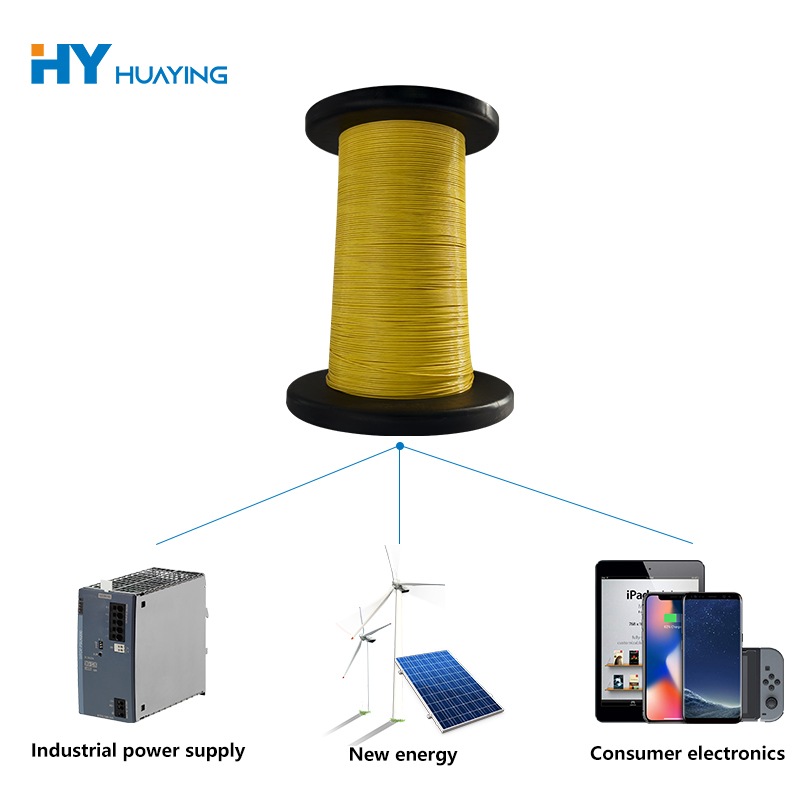
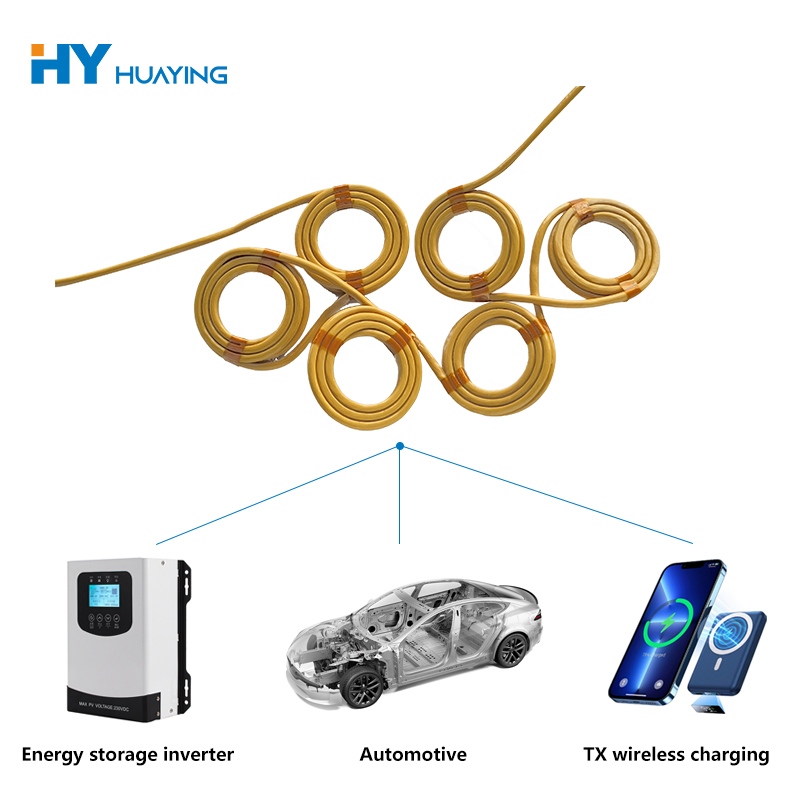
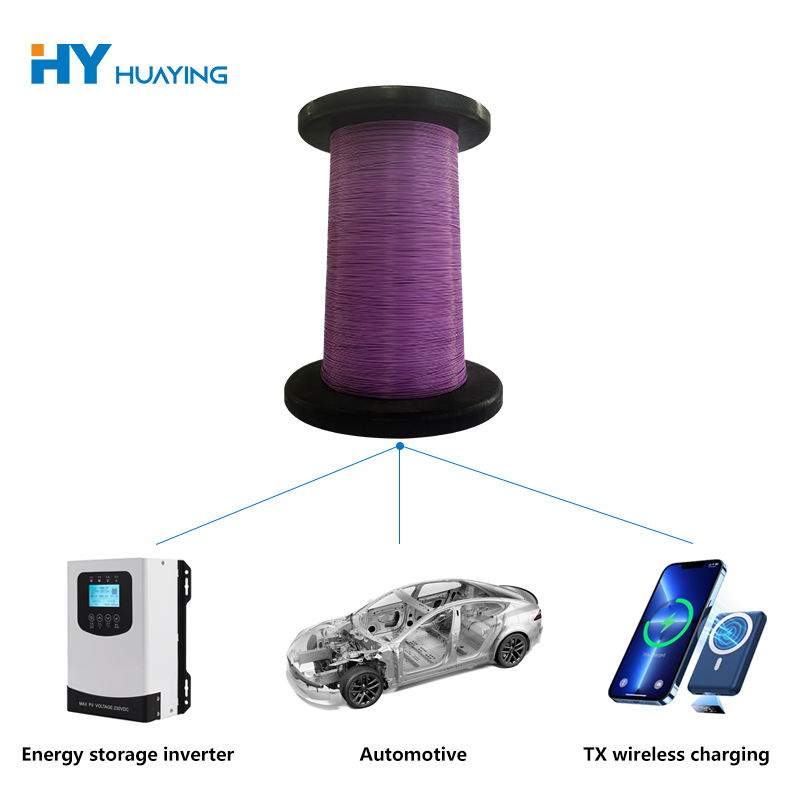
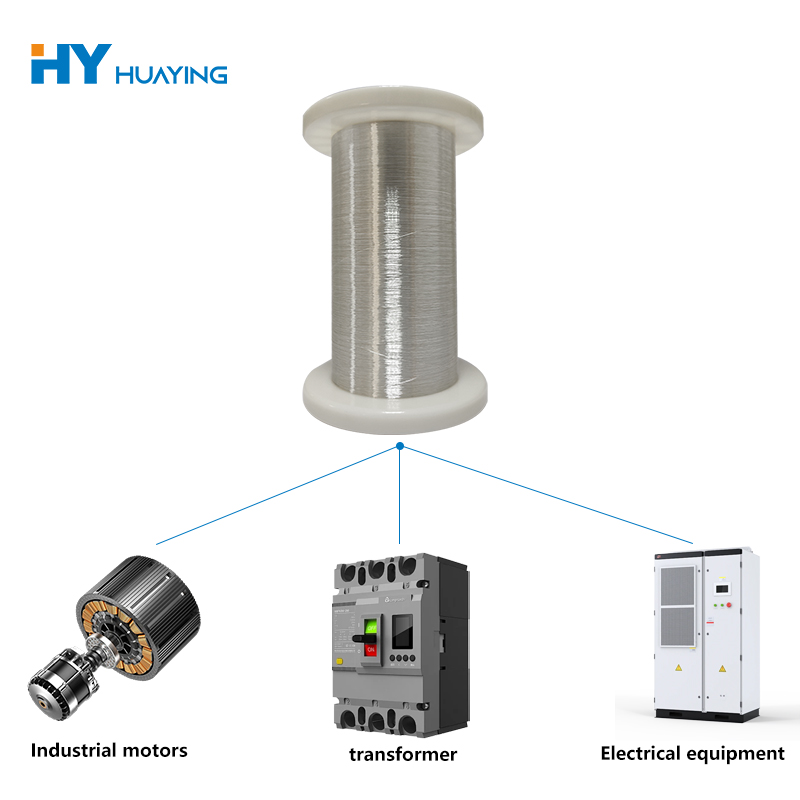
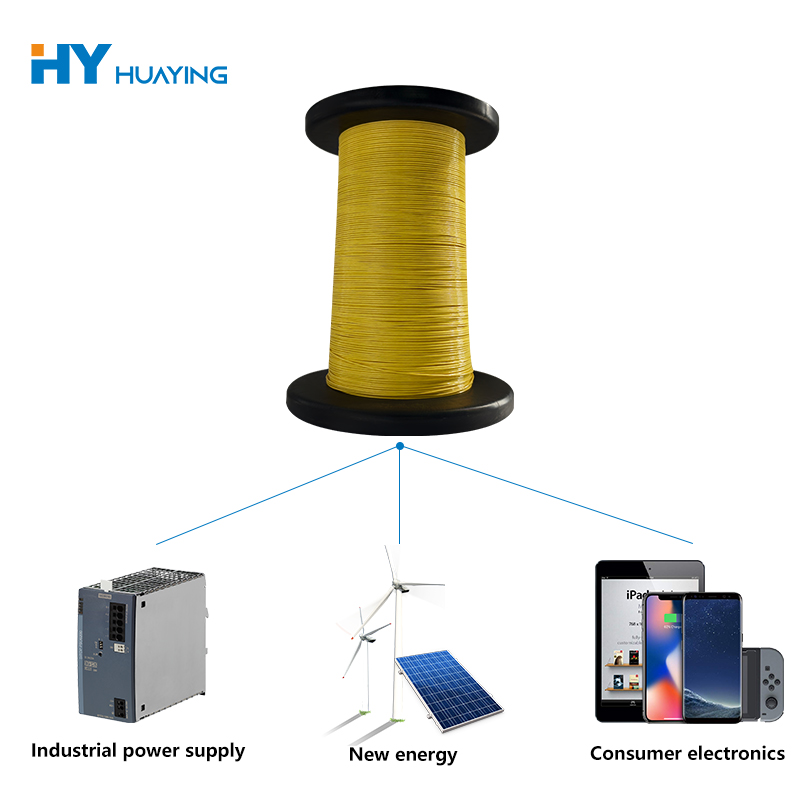
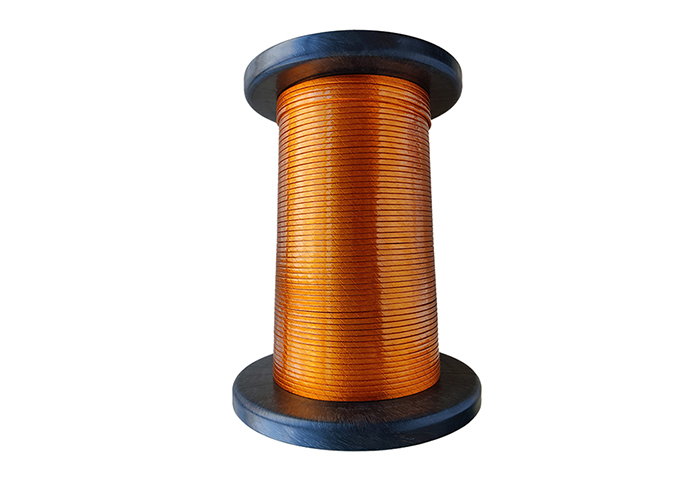
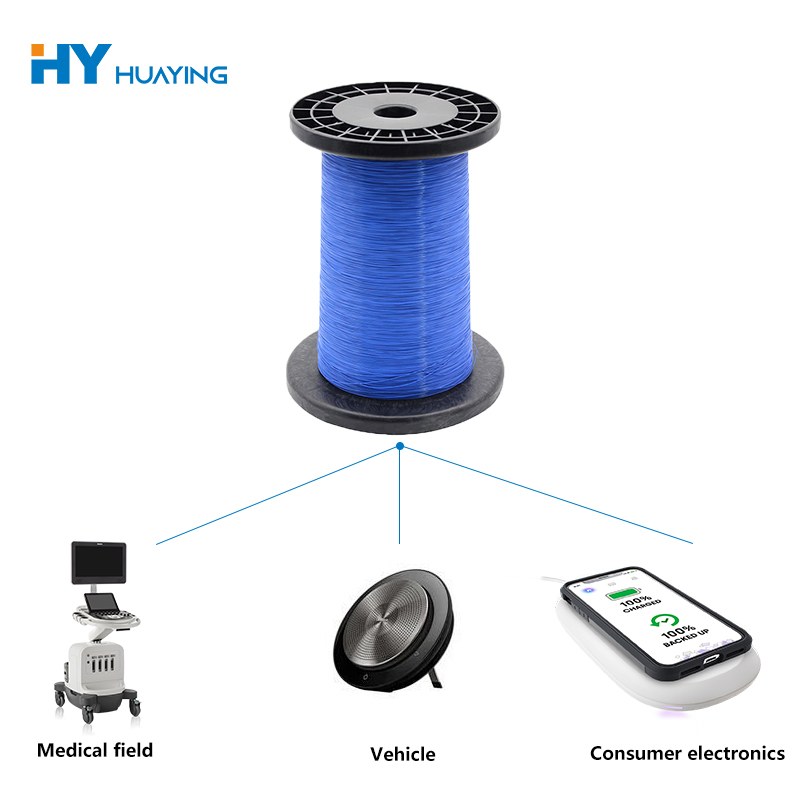
Triple Insulated Wire has become a critical component in various electronic and industrial applications due to its superior safety, durability, and performance. At Huizhou Huaying Electronics Technology Co., Ltd., we are committed to producing high-quality Triple Insulated Wire that meets international standards. Our factory utilizes advanced technology to ensure each wire provides long-lasting insulation, resistance to heat, chemicals, and mechanical stress.

Table of Contents
- Why Are Insulation Materials Critical in Triple Insulated Wire?
- What Types of Insulation Materials Are Commonly Used?
- How Do Our Product Parameters Ensure Performance?
- How to Select the Right Insulation Material for Your Application?
- FAQ: What Are Insulation Materials Used in Triple Insulated Wire?
Why Are Insulation Materials Critical in Triple Insulated Wire?
At Huizhou Huaying Electronics Technology Co., Ltd., we understand that the insulation materials in Triple Insulated Wire are the foundation of performance, durability, and safety. Our Triple Insulated Wire is designed with multiple layers of insulation to handle electrical, mechanical, chemical, and environmental challenges. Below are the detailed reasons why insulation materials are critical:
- Electrical Safety: Each layer of our Triple Insulated Wire prevents electrical leakage, reduces the risk of short circuits, and provides superior dielectric strength, ensuring safety in residential, commercial, and industrial applications.
- Thermal Resistance: The insulation materials, including XLPE and PVC, maintain structural integrity under extreme temperatures from -40°C to 150°C, preventing deformation and maintaining performance.
- Chemical Resistance: PU and TPE outer layers protect the conductor from oils, acids, and solvents, ensuring the Triple Insulated Wire can operate safely in harsh industrial environments.
- Mechanical Durability: Our insulation layers resist abrasion, repeated bending, and vibration, making our Triple Insulated Wire suitable for installation in tight spaces, control panels, and machinery.
- Longevity: Layered insulation extends the wire’s operational life, reduces maintenance costs, and minimizes system downtime.
- Compliance with Standards: Our Triple Insulated Wire meets IEC, UL, and other international safety standards, providing reliability and regulatory compliance for global applications.
- Environmental Adaptation: The insulation protects against UV exposure, moisture, and temperature fluctuations, ensuring consistent performance in diverse climates and conditions.
- Signal Integrity: Proper insulation prevents electromagnetic interference (EMI) and crosstalk, critical for data transmission and precision electronic applications.
- Installation Flexibility: The combination of flexible PVC and robust PU/TPE allows easy installation without compromising insulation integrity.
- Industry Versatility: Our Triple Insulated Wire is suitable for automotive, industrial, consumer electronics, and energy sectors due to carefully selected materials.
- Cost Efficiency: High-quality insulation reduces the frequency of replacement and repair, providing long-term savings for clients.
- Enhanced Safety Margins: Multi-layer insulation provides redundancy, ensuring that even if one layer is damaged, others maintain safety and performance.
What Types of Insulation Materials Are Commonly Used?
Our Triple Insulated Wire uses multiple materials, each chosen for specific performance characteristics. At Huizhou Huaying Electronics Technology Co., Ltd., we combine these materials to maximize durability, safety, and flexibility. The commonly used insulation materials include:
- Polyvinyl Chloride (PVC): Provides excellent electrical insulation, flexibility, and abrasion resistance. Typically used for inner conductor layers.
- Cross-Linked Polyethylene (XLPE): Offers high thermal stability, mechanical strength, and resistance to chemical corrosion. Often used as the intermediate insulation layer.
- Polyurethane (PU): Balances flexibility and toughness. Our factory uses PU for outer layers that are exposed to mechanical wear and chemical contact.
- Thermoplastic Elastomer (TPE): Combines elasticity and mechanical durability. TPE enhances bending performance and resists cracking over repeated use.
- Fluoropolymers (PTFE, FEP): Provide extreme chemical and thermal resistance. These optional layers are applied in high-performance industrial applications.
- Combination Layers: By combining PVC, XLPE, PU/TPE, and fluoropolymers, our Triple Insulated Wire achieves balanced performance across all critical parameters.
- Heat-Resistant Coatings: Specialized coatings prevent thermal degradation and prolong service life in high-temperature environments.
- Chemical-Resistant Outer Sheath: Protects the wire from oils, acids, and industrial chemicals during operation.
- Flexibility Enhancement Layer: Ensures that the wire maintains pliability while resisting mechanical damage.
- UV Protective Layer: Prevents insulation deterioration when used in outdoor or high-UV exposure environments.
- Moisture Barrier: Additional layers prevent water ingress and protect the conductor from corrosion.
- Signal Insulation: Multi-layer design reduces EMI and maintains signal fidelity for sensitive electronic applications.
| Layer | Material | Main Benefits |
| Inner Conductor Insulation | PVC | Electrical insulation, flexibility, abrasion resistance |
| Intermediate Layer | XLPE | Thermal stability, mechanical strength, chemical resistance |
| Outer Protective Layer | PU/TPE | Flexibility, durability, chemical and abrasion resistance |
| Optional Specialty Layer | PTFE/FEP | Extreme chemical and thermal resistance |
How Do Our Product Parameters Ensure Performance?
At Huizhou Huaying Electronics Technology Co., Ltd., we carefully define product parameters for our Triple Insulated Wire to guarantee reliability and safety. The following are the critical parameters that ensure performance:
- Voltage Rating: Designed to handle 300V to 1000V, ensuring safe performance for industrial and consumer applications.
- Temperature Tolerance: Operating range from -40°C to 150°C to maintain insulation integrity under extreme conditions.
- Conductor Material: High-purity copper or tinned copper ensures excellent electrical conductivity and minimal resistance.
- Insulation Thickness: Layers ranging from 0.3mm to 1.2mm per layer ensure optimal protection without sacrificing flexibility.
- Flexibility Rating: Repeated bending tests confirm that our Triple Insulated Wire maintains structural integrity during installation and use.
- Chemical Resistance: Our insulation withstands oils, solvents, acids, and other industrial chemicals, prolonging operational life.
- Flame Retardancy: Some layers are engineered to resist ignition, enhancing safety in electrical installations.
- Mechanical Stress Resistance: Designed to endure vibration, tension, and compression without compromising performance.
- Environmental Protection: Moisture and UV resistance ensures reliable outdoor and industrial applications.
- Signal Fidelity: Optimized insulation reduces EMI, crosstalk, and noise for sensitive electronic equipment.
- Certification Compliance: All wires meet IEC, UL, and RoHS standards for quality and safety.
- Durability Testing: Every wire undergoes mechanical, chemical, and thermal testing to ensure long-term reliability.
- Installation Convenience: Optimized flexibility and diameter make installation faster and safer for engineers and technicians.
- Customization Options: Our factory provides tailored solutions for specific voltage, temperature, and environmental requirements.
- Cost Efficiency: Longer lifespan and reduced maintenance result in lower operational costs.
- Redundancy Protection: Multiple insulation layers provide additional safety even if one layer is compromised.
How to Select the Right Insulation Material for Your Application?
Selecting the appropriate insulation material for Triple Insulated Wire requires consideration of electrical, mechanical, chemical, and environmental factors. At Huizhou Huaying, we guide our clients using the following criteria:
- Temperature Requirements: Choose XLPE or fluoropolymers for high-heat environments to prevent deformation and maintain conductivity.
- Flexibility Needs: Use PVC or TPE in applications that require frequent bending, twisting, or compact wiring installations.
- Chemical Exposure: For environments exposed to oils, acids, and solvents, select PU or fluoropolymer layers for protection.
- Electrical Performance: Match voltage rating and insulation thickness to the application’s electrical load to prevent short circuits and electrical hazards.
- Mechanical Stress: Assess bending radius, vibration, and abrasion risk to select materials with suitable toughness and elasticity.
- Environmental Conditions: Consider UV exposure, moisture, and temperature fluctuations to ensure long-term performance.
- Signal Integrity: For sensitive electronic applications, insulation must minimize EMI and crosstalk.
- Regulatory Compliance: Verify that the selected materials meet IEC, UL, and RoHS standards for safety and environmental compliance.
- Installation Ease: Materials should be pliable for routing in tight spaces while maintaining structural integrity.
- Cost vs. Performance: Balance material costs with required durability and performance to optimize overall value.
- Industry Requirements: Consider specific standards for automotive, industrial, consumer electronics, or energy applications.
- Customization: Our factory can tailor insulation combinations to meet unique client specifications for voltage, temperature, or chemical resistance.
- Maintenance and Longevity: Choose materials that reduce the frequency of replacements and maintenance interventions.
- Safety Margins: Multi-layer insulation provides redundancy and protects the conductor even if one layer fails.
- Application Testing: Conduct simulations or pilot tests to verify performance under actual operating conditions.
- Future Proofing: Consider potential upgrades in voltage, temperature, or environmental exposure to select materials that can adapt to evolving requirements.
FAQ: What Are Insulation Materials Used in Triple Insulated Wire?
Q1. What types of insulation are used in Triple Insulated Wire?
Our Triple Insulated Wire uses PVC for inner layers, XLPE for intermediate layers, and PU or TPE for outer protective layers. Optional layers may include PTFE or FEP for extreme chemical and thermal resistance.
Q2. How does insulation affect the wire’s durability?
Insulation layers protect the conductor from heat, chemicals, and mechanical stress. By combining multiple materials, our Triple Insulated Wire maintains flexibility and performance over long periods, reducing maintenance and replacement costs.
Q3. Why is temperature resistance important in insulation selection?
High-quality insulation prevents deformation or degradation under extreme temperatures. Our Triple Insulated Wire can operate safely between -40°C and 150°C, ensuring reliable performance in industrial and electronic applications.
Q4. How do chemical-resistant materials enhance wire performance?
Chemical-resistant layers such as PU, TPE, and fluoropolymers protect the wire from oil, acid, and solvent damage. This prevents insulation failure and extends the service life of our Triple Insulated Wire in harsh environments.
Q5. What factors should be considered when selecting Triple Insulated Wire?
Consider voltage rating, temperature range, flexibility, chemical exposure, and environmental conditions. Our factory customizes insulation combinations to provide optimal performance tailored to each application.
Conclusion
Triple Insulated Wire is essential for ensuring safety, reliability, and durability in modern electronic and industrial applications. Huizhou Huaying Electronics Technology Co., Ltd. combines high-quality insulation materials, precise manufacturing, and rigorous quality control to provide superior performance. By selecting the right insulation material and understanding its benefits, our clients achieve long-term operational efficiency and safety.
Explore our range of Triple Insulated Wire today and experience the quality and reliability that our factory delivers. Contact Huizhou Huaying Electronics Technology Co., Ltd. to discuss customized solutions tailored to your specific application needs.

Related News
- Overcoming Insulation Degradation: Why Multi-Layer Mylar Wire is Replacing Standard Insulated Wire in High-Reliability Electronics
- How Triple-Layer Enameled Wire Optimization Prevents Transformer Insulation Failures?
- How Does Film-Folded Wire Revolutionize Electrical Insulation?
- How Does a Wire Coil Work?
- How Does Teflon Insulated Wire Enhance Performance in Extreme Environments?
- How to Choose Magnet Wire?
Leave me a message